
Official Sources for DeBary Neighbors
No single public roster names every person on a DeBary block. The most reliable method combines the mapped parcel pattern with the county tax roll, then adds only those public records that answer a clear question. Each source has a different meaning and a different access channel.
| Block source | What it can show nearby | How to reach it |
|---|---|---|
| Volusia GIS and VCPA | Parcel shapes, keys, titled owners, situs and mailing fields | Free map and property search |
| Public voter extract | Nonexempt registered voters and residence fields | County request or state extract |
| DeBary permits and code files | Projects, cases, dates, applicants, and responsible parties | Citizenserve or city records request |
| Recorded plats | Lots, blocks, easements, and street arrangement | Clerk inquiry or courthouse |
| Regional reverse directories | Past occupants and telephone listings where coverage exists | Volusia library reference search |
| Community boards | Public officials, agendas, district records, and contacts | City boards pages and requests |
Ownership and residence are not synonyms. A tax owner may live elsewhere, an entity can hold title, and a homestead exemption is only an occupancy clue. Record those limits beside the name rather than turning a likely match into a claimed household fact.
Map a DeBary Neighbors Block
The Volusia GRM Interactive Map accepts an address, tax parcel number, or street name. Search the subject address, zoom until boundaries are clear, and select the subject parcel. Then work outward through the parcels that touch it and the nearest lots across the street. This is an adjacency method, not a radius search.
- Enter the complete address and confirm the mapped subject parcel.
- Click each adjoining parcel and record its parcel key or Alternate Key.
- Paste each key into the Volusia Property Appraiser search when the map popup lacks owner details.
- Keep situs, owner mailing address, legal description, and homestead clue in separate fields.
- Pan along both sides only as far as the immediate block requires.
County map data comes from sources with different scales and is not a survey. A plat or survey controls when a precise legal boundary matters. For an entire named road rather than the immediate parcels, use the DeBary street directory workflow.
Owners Versus DeBary Neighbors
The parcel roll is a real whole-block tool, but it identifies title interests rather than all residents. Mailing and situs fields must stay separate. Situs describes where the land sits. Mailing shows where the tax notice goes. A matching mailing and situs address, plus a homestead flag, can support owner occupancy; it still does not name every adult or child in the home.
| Record clue | Safe conclusion |
|---|---|
| Owner name | The named person or entity holds the indexed title interest |
| Mailing equals situs | The owner receives mail at the site; present occupancy still needs care |
| Homestead exemption | An owner-occupancy clue, not a household roster |
| Voter residence | A public registration address at the file snapshot date |
| Permit applicant | A party tied to the work, not necessarily a resident |
Renters and other occupants may appear only in a lawful voter extract, a permitted public filing, or a historical reverse directory. Utility customer and motor vehicle data are not public substitutes for a neighbors list.
DeBary Neighbors in Voter Files
The Volusia self-lookup is designed to confirm one voter using identity inputs. It cannot browse a block. For a lawful address analysis, request a public voter extract through the county or use the state monthly extract, then filter nonexempt residence fields. Include the desired snapshot date, Volusia scope, file format, and data dictionary in the request.
Florida law can disclose name, status, party, residence address, precinct, districts, and election participation history, subject to the current file design and exemptions. It never discloses ballot selections. Social Security numbers, driver-license or state-ID numbers, copied signatures, preregistrant information, and qualifying protected addresses remain withheld.
A protected record, late update, inactive status, or nonregistration can make a person absent from the file. Do not treat a gap as proof that nobody lives at an address.
DeBary Neighborhood District Records
DeBary planning records name Plantation Estates, Meadowlea, Orlandia Heights, Terra Alta, River Bluff Estates, Traderscove, Summerhaven, St. Johns River Estates, Glen Abbey, DeBary Golf & Country Club, Riviera Bella, Springview Woods, Rivington, and Springwalk at The Junction. These names help locate agendas, plats, infrastructure notices, and project files, but they do not create a citywide resident roster.
Orlandia Heights NID
A formal Neighborhood Improvement District created through a February 4, 1999 referendum and Resolution 99-03. City records publish board contacts, agendas, and permits, not all residents.
Historic Preservation Board
Public board records and the 2024 oral-history effort connect community names with pre-incorporation people and places.
DeBary City Clerk
Municipal agendas, minutes, correspondence, and existing nonexempt district records are available by oral, email, mail, or portal request.
No official citywide HOA member directory was located. Private HOA rosters, neighborhood-watch lists, and congregational membership lists remain private unless an organization voluntarily publishes them.
Neighborhood age can guide the next source. Plantation Estates began in the 1950s, while Meadowlea began in the 1970s. Several west Volusia communities grew later. Older blocks may need county plats, regional directories, and historic newspapers; newer blocks are more likely to have richer city permit and planning files. Development era is a check on the record trail, not proof of who occupied a home.
Nearby DeBary Permits and Cases
Building permits, planning cases, variances, site plans, and code files can explain visible activity around a block. Citizenserve became the required Growth Management submission channel on January 1, 2024, and paper applications stopped. Search current project material there. If an older item is absent, request it from DeBary Building or Growth Management by street address, parcel ID, approximate date range, and record type.
Code files may contain inspection dates, violation photographs, compliance orders, and a responsible party. Ask for the case log and nonexempt attachments tied to a specific address. A city request can be oral, email, mail, or portal based under Florida Public Records Law. The custodian may charge lawful duplication or extensive-use costs.
Infrastructure files can also provide dated property snapshots. Septic-elimination work names DeBary Plantation, Lake Marie Estates, Plantation Estates, St. Johns River Estates, Summerhaven, and Surrey Run as target neighborhoods. Assessment lists, notices, plats, and utility plans are property records, not proof of a full household.
Official Checks Around DeBary
Some official statewide tools add narrow facts after the block is mapped. The Florida DBPR license search can confirm a regulated professional's public license type, number, status, address, and discipline links when available.
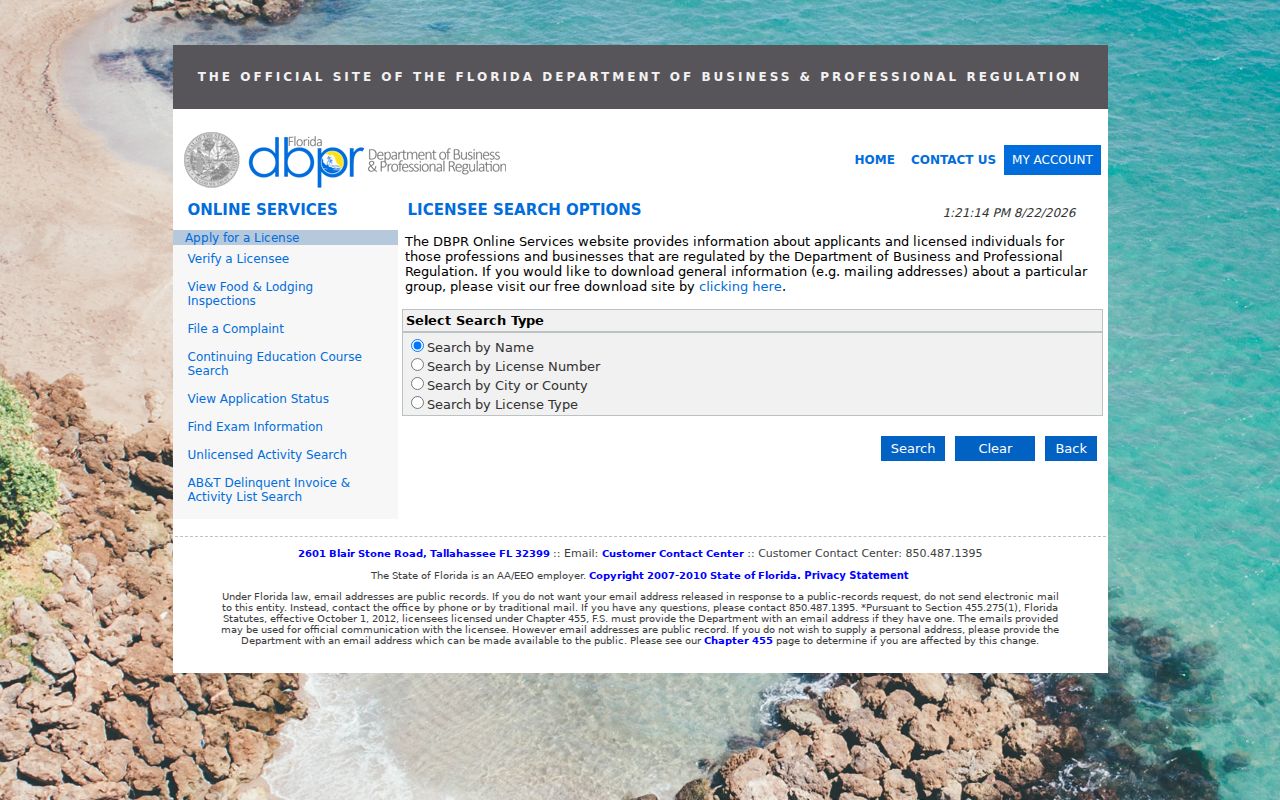
The interface is a professional-record check, not a household finder. A displayed address may be an office or mailing contact.
The Florida Treasure Hunt search can reveal a name and historic address clue while helping an owner or heir claim property without a state search fee.
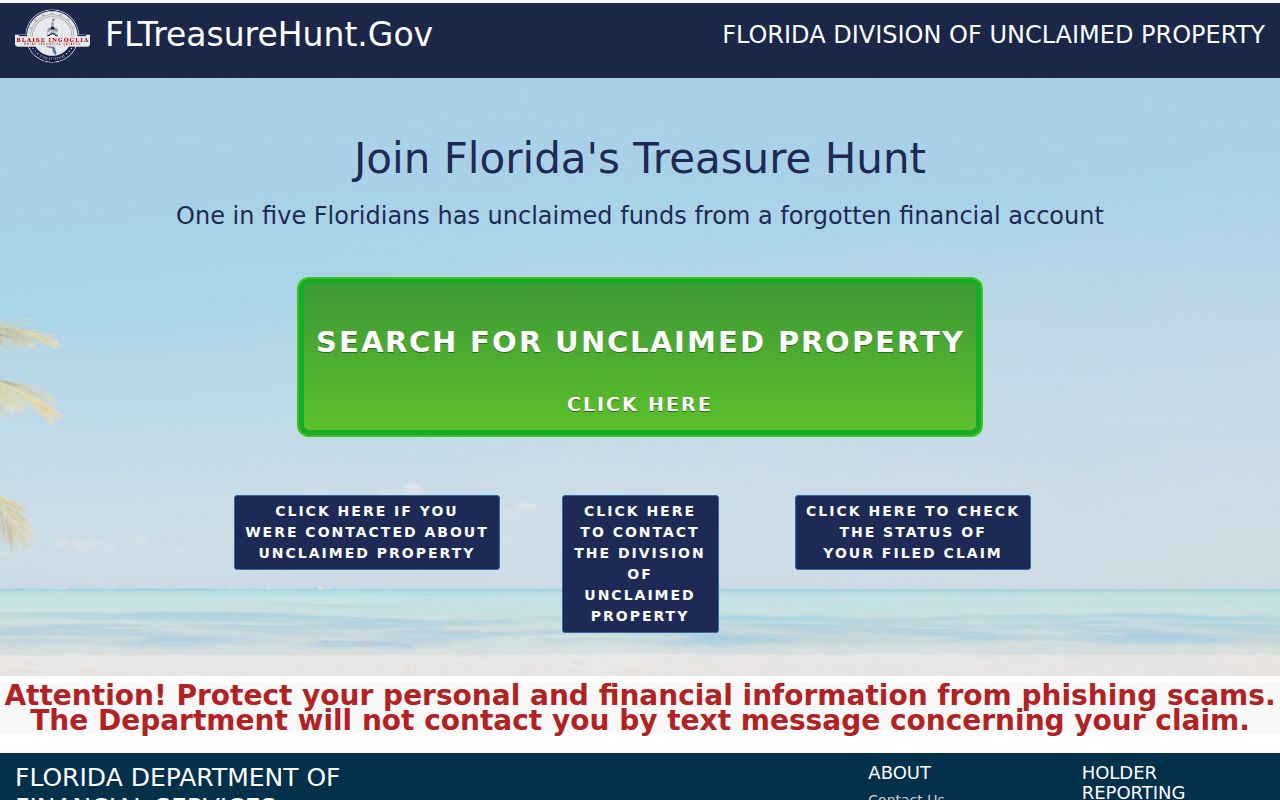
A name hit requires claim proof and does not establish current residence. Use it for reconnecting an owner or heir to property, not to label someone as a present neighbor.
DeBary Neighbors and Safety Records
The FDLE offender and predator search offers name, address, geographic, and radius modes. Its official results may show identity, photo, status, qualifying offense, and registered addresses. Verify the current entry and follow every warning on the source page.
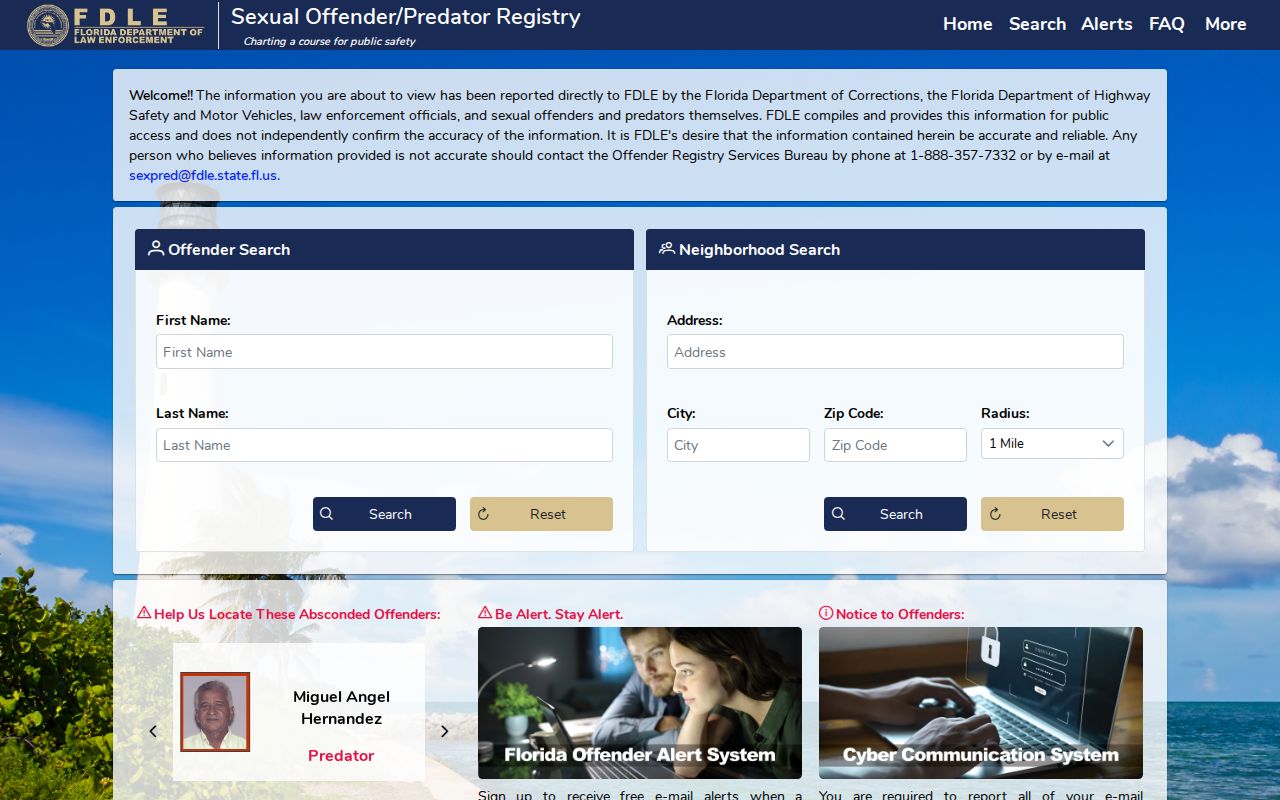
The geographic interface supports a safety check around a location. It does not authorize contact, threats, or retaliation.
For records beyond the public interface, the FDLE public-records routes explain how to request existing state criminal-information records.
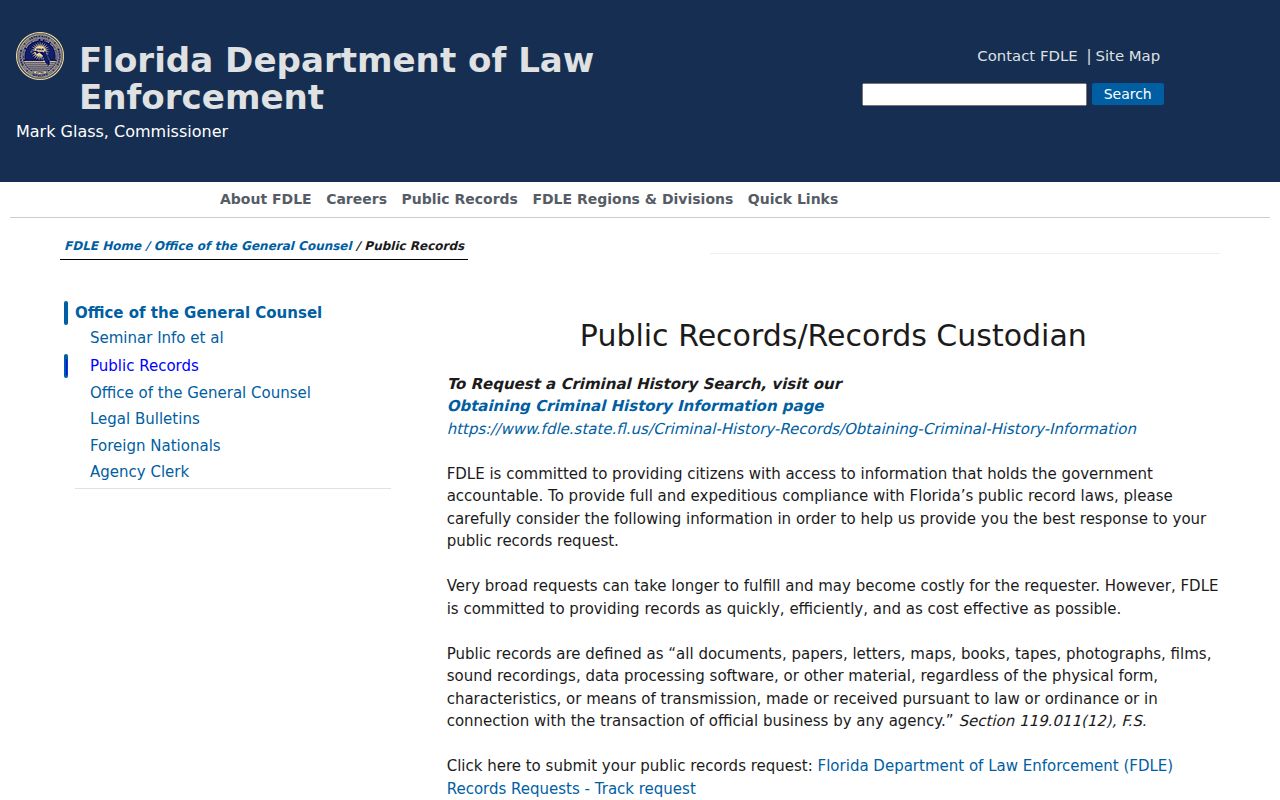
Arrest and registry records require context. A charge is not a conviction, and a person should not be identified from a similar name alone. Record the source date and use the court docket for disposition where available.
DeBary Neighbor Tools Compared
Official rolls have defined custodians, update rules, and correction paths. Commercial neighbor tools combine public and private data, may merge same-named people, and often hide source dates. Use an official record for each fact and contact that custodian when it is wrong.
| Choice | Strength | Limit |
|---|---|---|
| GIS and tax roll | Mapped parcels and titled owners | Owner is not every occupant |
| Public voter file | Dated, nonexempt registration fields | Protected and unregistered residents absent |
| City and board files | Public projects, cases, and civic roles | No private membership roster |
| Commercial compilation | May gather many leads quickly | Can be stale, costly, or wrongly merged |
Privacy for Your DeBary Neighbors
Florida's broad public-record principle includes many exemptions. The Address Confidentiality Program can supply a substitute address and mail forwarding for eligible victims. Other laws suppress certain officials' home information and protect voter, vital, court, and personal identifiers. Participation does not erase every old land or court record, but it changes what responsible research should repeat.
Use block records for civic curiosity, property questions, reconnecting, and personal safety. Do not seek private utility, delivery, or motor-vehicle data. Never use a disclosed address to monitor, repeatedly contact, threaten, or intimidate someone.
When a record is wrong, send the correction to its actual custodian. Removing a copied listing elsewhere does not amend the county, city, court, or state source.
Lawful use. Florida law prohibits stalking and cyberstalking. Respect suppressed addresses, verify every match, and never use neighbor records to harass or harm anyone.